What If Transition Support Was There All Along?
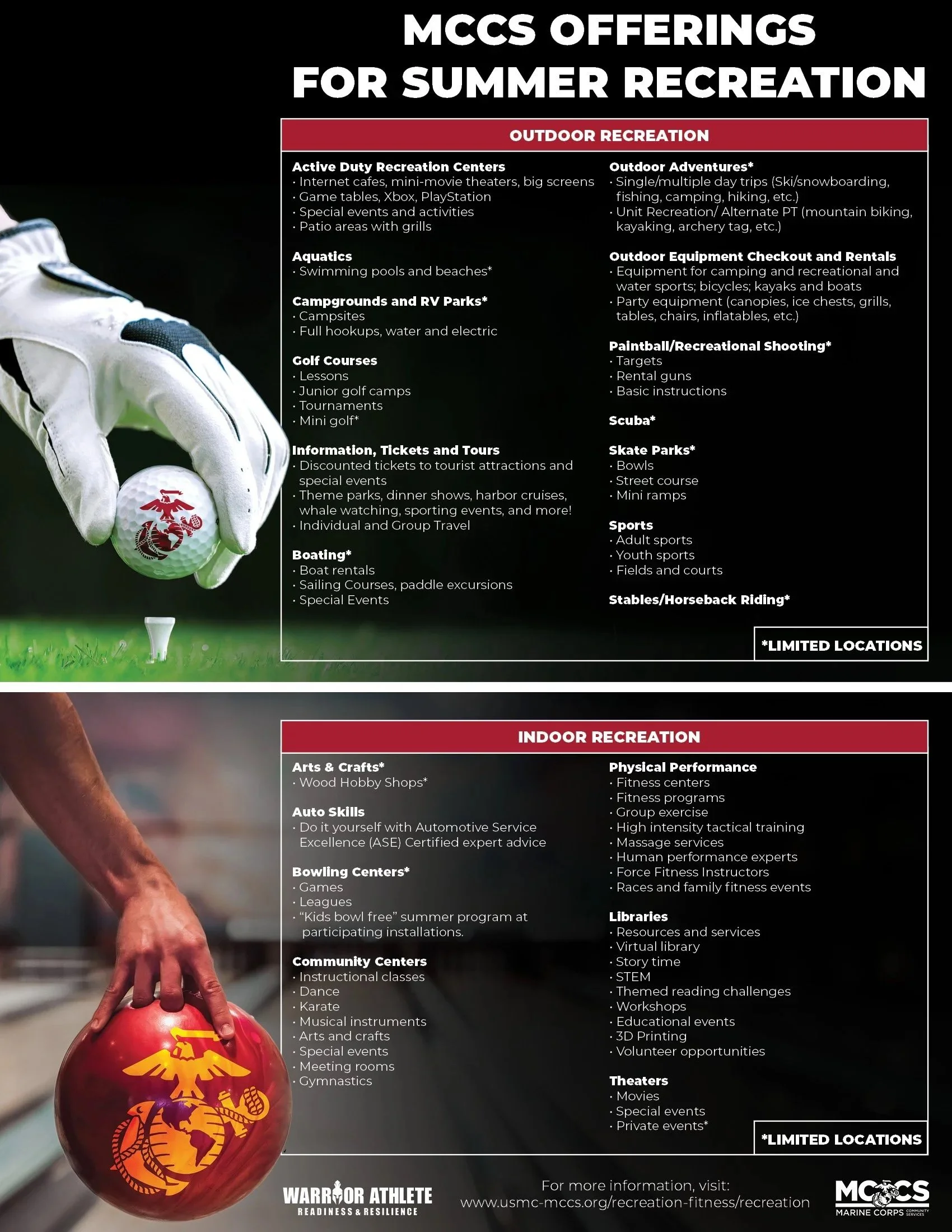
The most powerful transition support I received had nothing to do with TAP. It came from Marine Corps Community Services and Morale, Welfare, and Recreation programs. Organizations designed for morale, retention, quality of life. Organizations that exist to support readiness, not transition. At least that’s what we call them. That’s how they’re categorized institutionally. What if they’re actually transition infrastructure? What if they’ve been transition infrastructure all along, hiding in plain sight under a different label?
The Overlooked Variable: How Overseas Military Service Shapes Veteran Transition
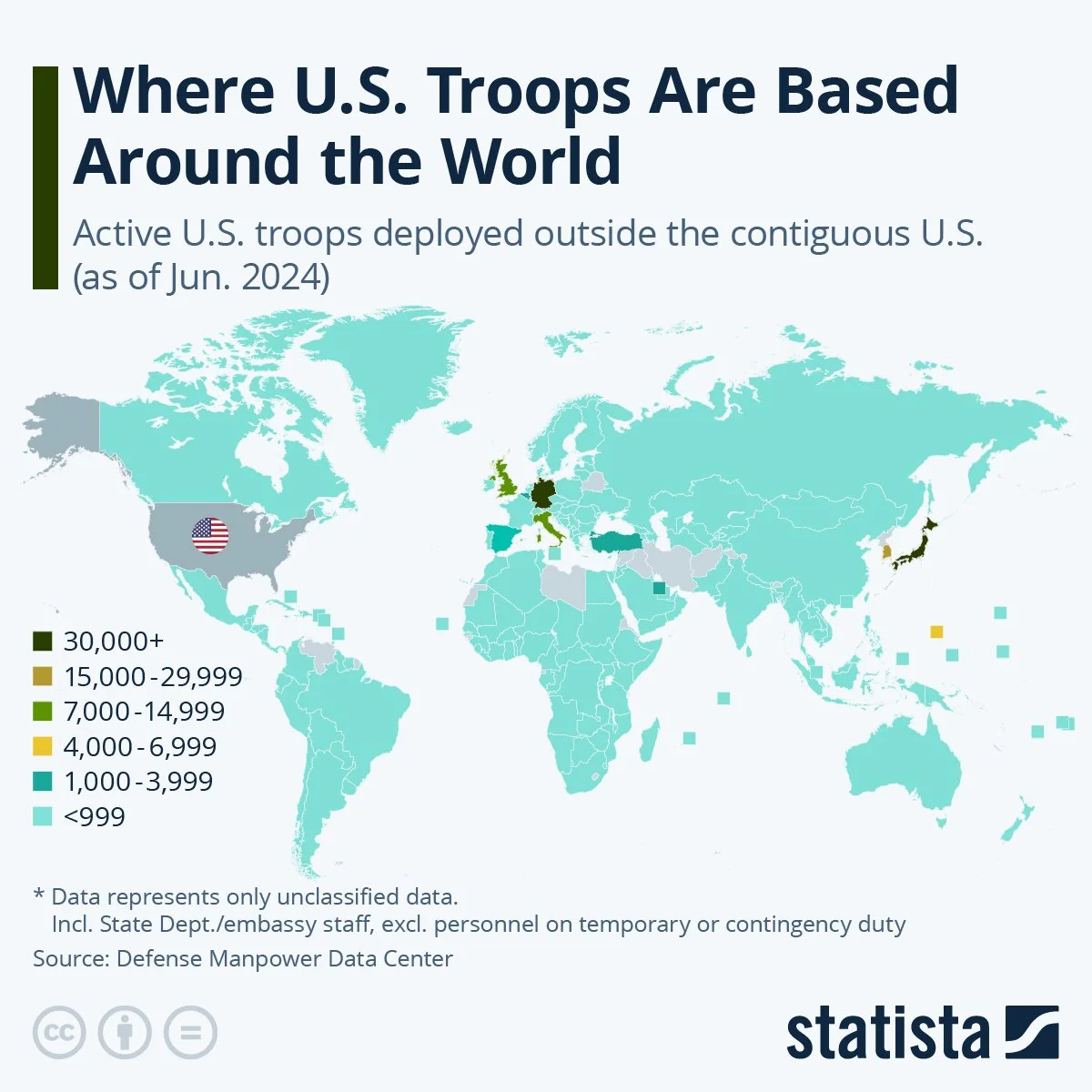
Despite over 160,000 active-duty personnel currently serving overseas, this question appears largely unexamined. This essay lays out the information I could gather and what I couldn't, and questions that emerged.

The Right Tool at the Right Time: A Veteran’s Guide to Resources
Most veteran resources are specialized tools, each designed to solve specific problems at specific times. When we understand what each one actually does, we can use them strategically instead of hoping they’ll somehow work for everything we need. I created this guide to help you match different resources to your actual situation and get better results.

Between Two Worlds: A Veteran's Reflection on Serving Overseas
Japan was both the most enriching and the most constraining assignment of my military career, sometimes simultaneously. This piece examines how the same place can produce radically different outcomes, and how overseas service often leaves veterans holding both expansion and constraint at once.

You Don't Need Clarity to Act: Teaching Veterans to Operationalize Their Transitions
Most transition advice fails veterans at the exact moment they need it most. They're told to "find their passion," "translate their skills," or "break into tech." These aren't instructions. These are vague constructs masquerading as action plans. Let’s take this one step further.

Reflection on Michèle Lamont’s Moral Social Closure in Veteran Transition
This essay reflects on Michèle Lamont’s theory of moral social closure to explore how veterans’ discipline and moral frameworks, forged in military life, can unintentionally harden into symbolic boundaries in civilian education and work. Drawing on theory and lived observation, it examines how these boundaries shape belonging, relationship-building, and the uneven conversion of credentials into opportunity during veteran transition.
From Execution to Authorship: Design Thinking and the Veteran Transition
Military experience trains execution within clearly defined problem spaces, but civilian life requires individuals to define the problem itself. Design thinking provides a structured way to shift from role-based aspirations to function-based exploration through iterative testing and evidence-based decision-making.

Grace Within Constraint
I projected my longing onto that bird. The eagle was indifferent to my gaze, indifferent to my need for signs, indifferent to my search for a life after the military. My projection told me more about my confinement than about the eagle's liberation.

Fluid Roles, Rigid Tasks: Why Military Teamwork Doesn't Translate
The military teaches teamwork through fixed roles and fluid tasks, where initiative means crossing boundaries to keep the mission moving. But in tech, where tasks are fixed and roles are fluid, that instinct can be misread — and everything changes when you learn where your real value now lives.

Articulating Intent: The Skill I Didn’t Know I Needed Until I Left the Military
In the military, intent flows down the chain of command. You execute it, you don't generate it. In civilian work, alignment isn't inherited; it has to be created, together, through articulation.

From Structure to Strategy: Theories Behind How Veterans Can Build New Lives
In my last essay, I wrote about using what you have—programs, mentors, and communities—to rebuild life after service. This piece tells the same story, but through a different lens. Beneath every decision I made were ideas I first encountered in classrooms: theories about institutions, identity, and human behavior that, at the time, felt abstract. Only later did I realize they were maps for how real life unfolds.

Rebuilding a Civilian Life: How I Used What Was in Front of Me
Veterans often hear the same advice: use your resources, build your network, get involved. It sounds right, but it’s vague. Which resources? What kind of involvement? And how do you know if any of it will actually matter later?

When Diversity Emerges From Forced Conformity
Boot camp forced me to mingle and struggle with strangers, who found me strange, in a strange space. Over time, the strangeness became familiar through my eleven years in uniform. In civilian life, I’m taught to design it away. I still wonder which one makes me more free.

The Stories We Tell, The Paths They Close
Even with education, skills, and intention, I felt pulled toward roles that align with how the world sees veterans.

From Recruitment to Reintegration: Contradictions in the Veteran Transition System
Veterans' journeys from enlistment to civilian life are routinely framed as paths of opportunity and empowerment. But underneath the promise of liberation, what we find is yet another form of containment.
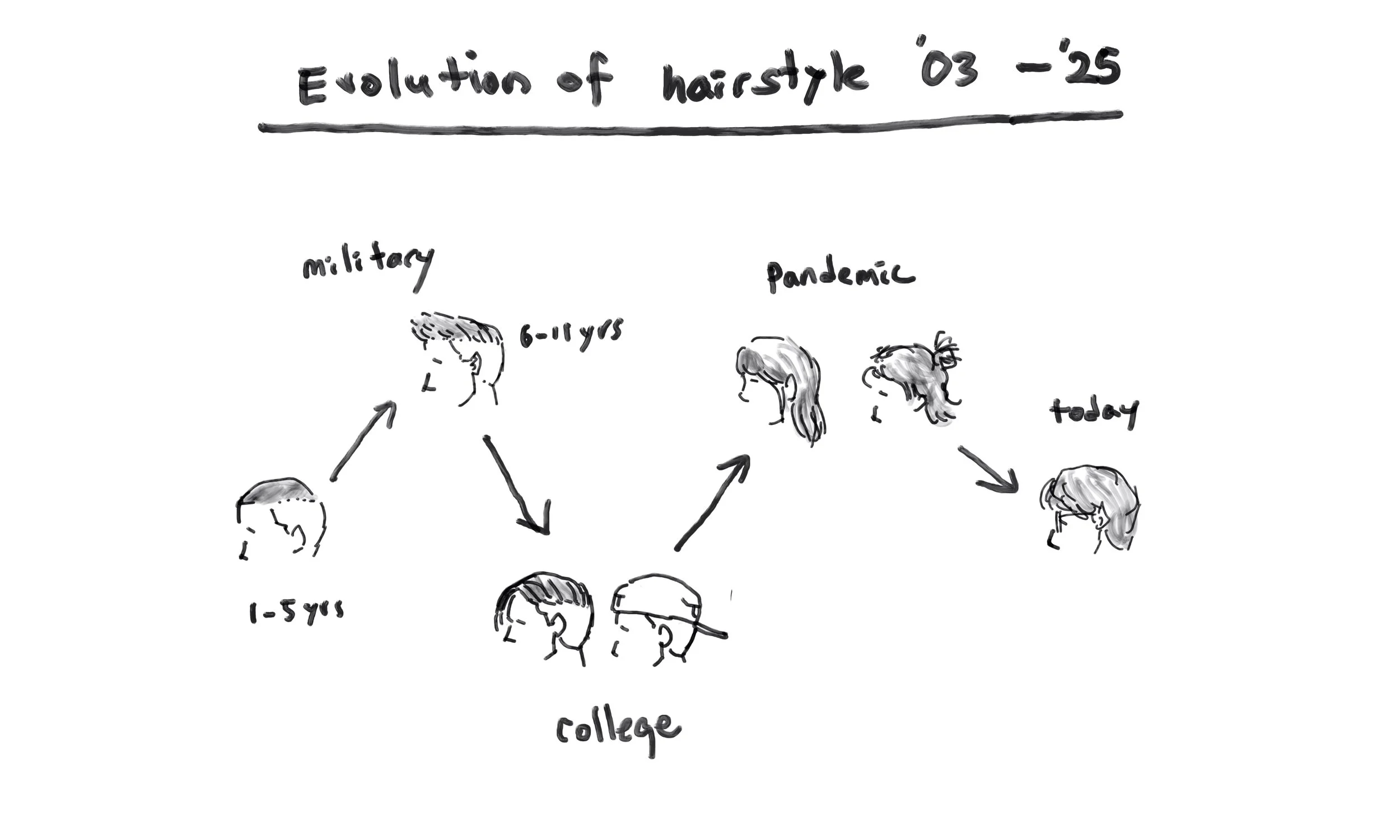
Evolution of Hairstyle ‘03-‘25
I recall being marveled at the ridiculous efficiency of getting my hair shaved on day one, or was it day two, of boot camp.

Wait, My Military Pay Is High?
One civilian colleague pointed out something that stuck with me: when you factor in the entire compensation package military pay is substantial. But at the time, I called bullshit.
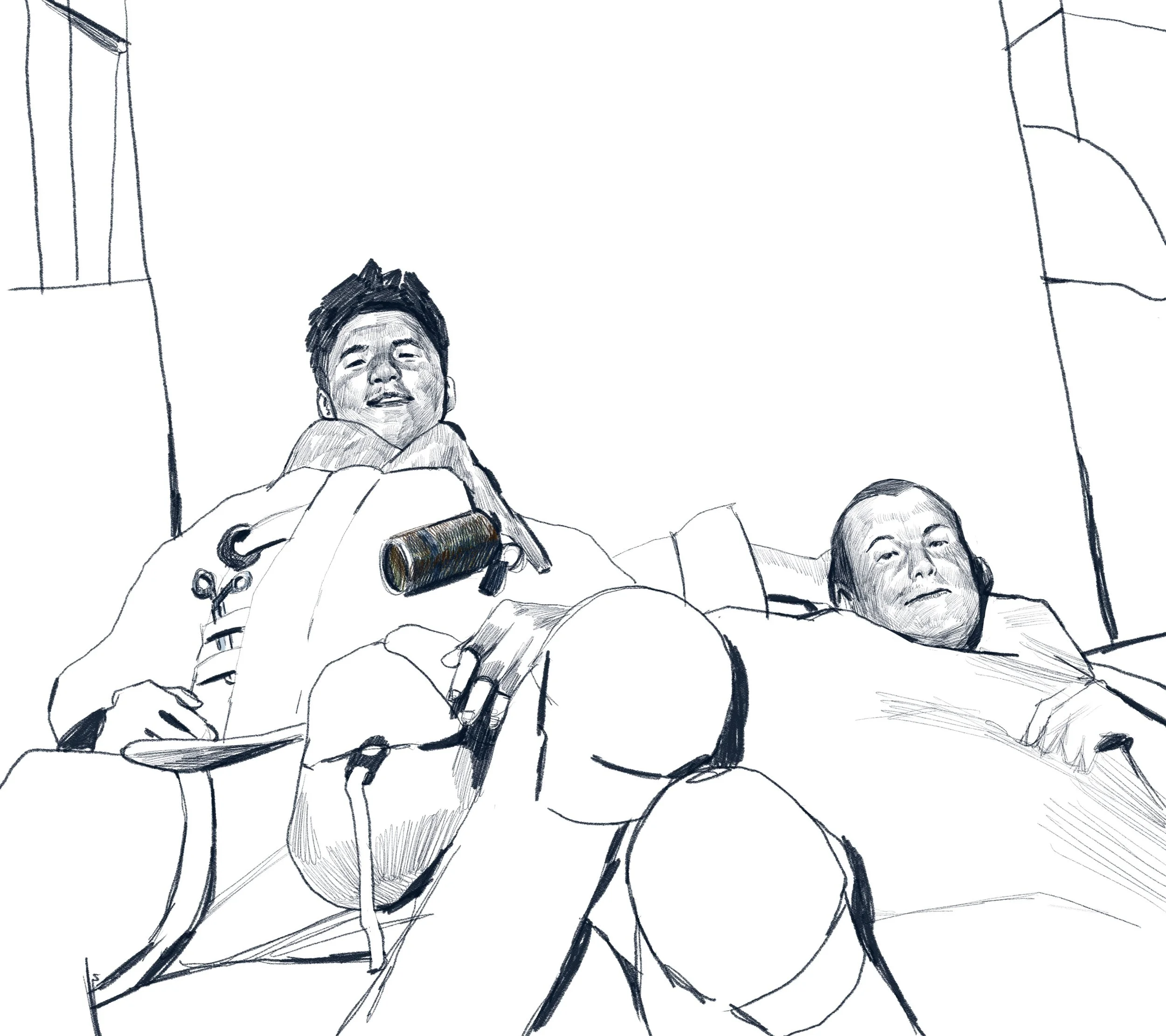
War, Roles, and What We Become
For years after I separated, I would ask myself: What do you mean, sacrifice? Thank you for your service—for what?

Making Sense of Life That Doesn’t
Life doesn't come with a clear map. When designers face problems too messy to define, we dump everything into a space where it can be seen, moved, and connected. That's what I did with my own life.