What If Transition Support Was There All Along?
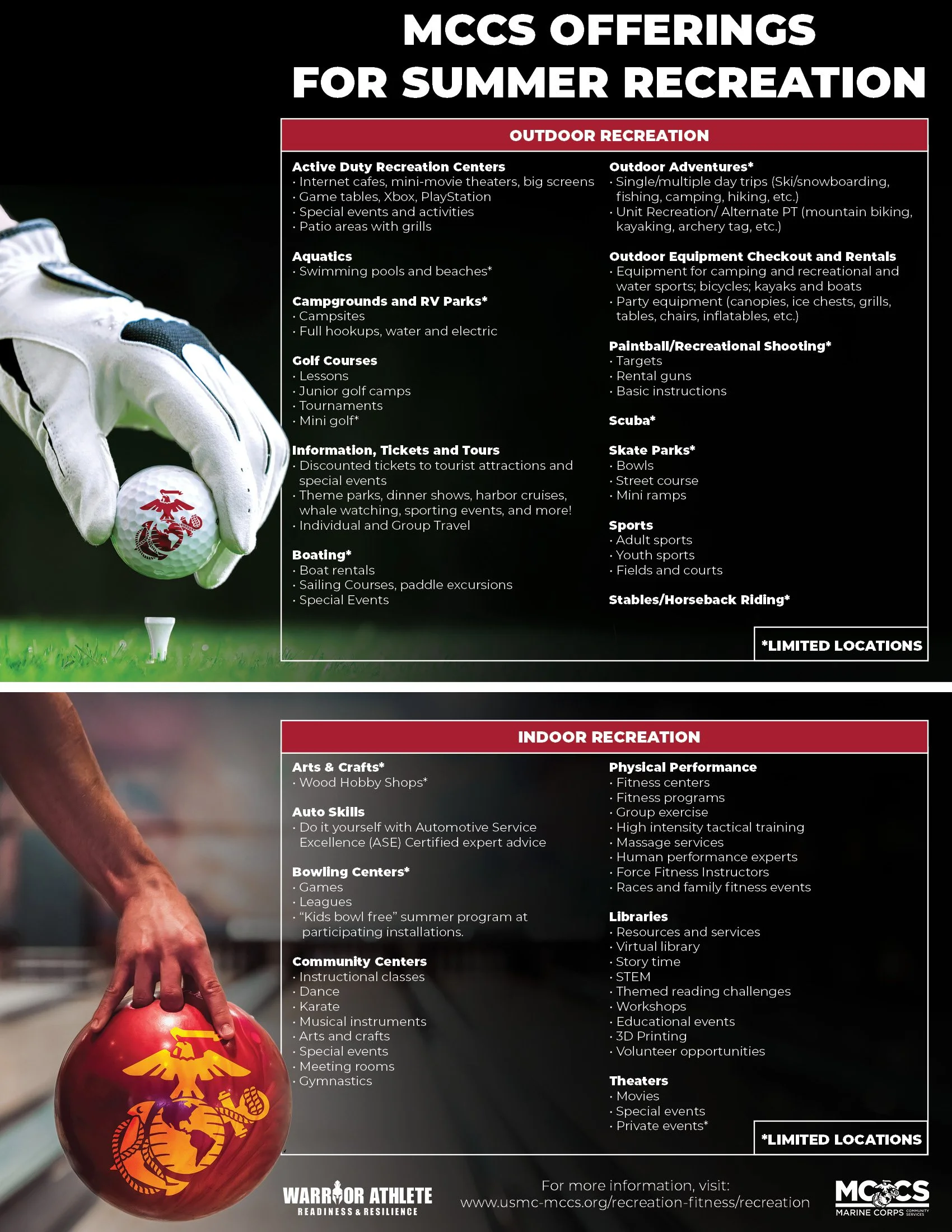
MCCS Event Schedule
Key Takeaways
For Service Members:
- Hobbies and creative interests aren't "extra." They're portable identities that survive transition when rank and job don't.
- Creator roles (coaching, teaching, organizing, producing) build portfolios and networks that matter more than consumer roles (just participating).
- You can't build identity in a five-day TAP workshop. It takes years of practice to naturalize skills and cultural fluency.
- Use MWR/MCCS intentionally: choose at least one activity that connects you to civilians, can exist anywhere, and lets you build tangible skills.
For Leaders:
- Participation requires permission and time. Command climate determines whether service members see hobbies as legitimate or optional extras.
- Normalize off-duty skill-building. It's not separate from readiness; it's what makes transition successful.
- Encourage boundary-crossing activities: off-base races, community sports, volunteer coaching with civilians.
For MWR/MCCS Programs:
- Design creator pipelines, not just entertainment. Offer sanshin classes, not just concerts. Photography cohorts, not just exhibits. Tournament organizing, not just game nights.
- Make skills legible: provide credentials, portfolio documentation, volunteer hour verification that translates to civilian language.
- Build civilian interoperability: joint events with local clubs, open races, reciprocal memberships that create bridging social capital.
For Transition Programs:
- Add a "community and identity" module alongside employment prep. Not just "what job" but "who am I and where do I belong?"
- Recognize that education, social capital, and cultural fluency accumulate over years, not in exit workshops.
- Quality of life infrastructure IS transition infrastructure. The boundary between them is artificial.
The Bottom Line: The most powerful transition support may have been hiding in plain sight all along, mislabeled as "morale" when it's actually life-building. MWR and MCCS aren't just about retention. They're about creating humans who can thrive after the uniform comes off.
Three things keep coming up whenever people talk about military transition. First, that TAP is inadequate. Everyone knows it, everyone says it, but we keep treating it like the center of transition support. Second, that service members should start transition preparation on day one. Which sounds reasonable until you think about what day one actually looks like, the entire point is to break down the individual and build them back up as a fully institutionalized being. You don't join the military to prepare to leave it. Third, that what we call transition preparation is really just workforce integration prep, career transition prep, or college prep. Getting a job. Getting into school. That's what we measure. That's what we fund.
This whole thing about the role of MWR and MCCS just came to me a couple hours ago, looking back at what actually helped versus what was supposed to help.
The most powerful transition support I received had nothing to do with TAP. It came from Marine Corps Community Services and Morale, Welfare, and Recreation programs. Organizations designed for morale, retention, quality of life. Organizations that exist to support readiness, not transition. At least that's what we call them. That's how they're categorized institutionally.
What if they're actually transition infrastructure? What if they've been transition infrastructure all along, hiding in plain sight under a different label?
What I Remember About Japan
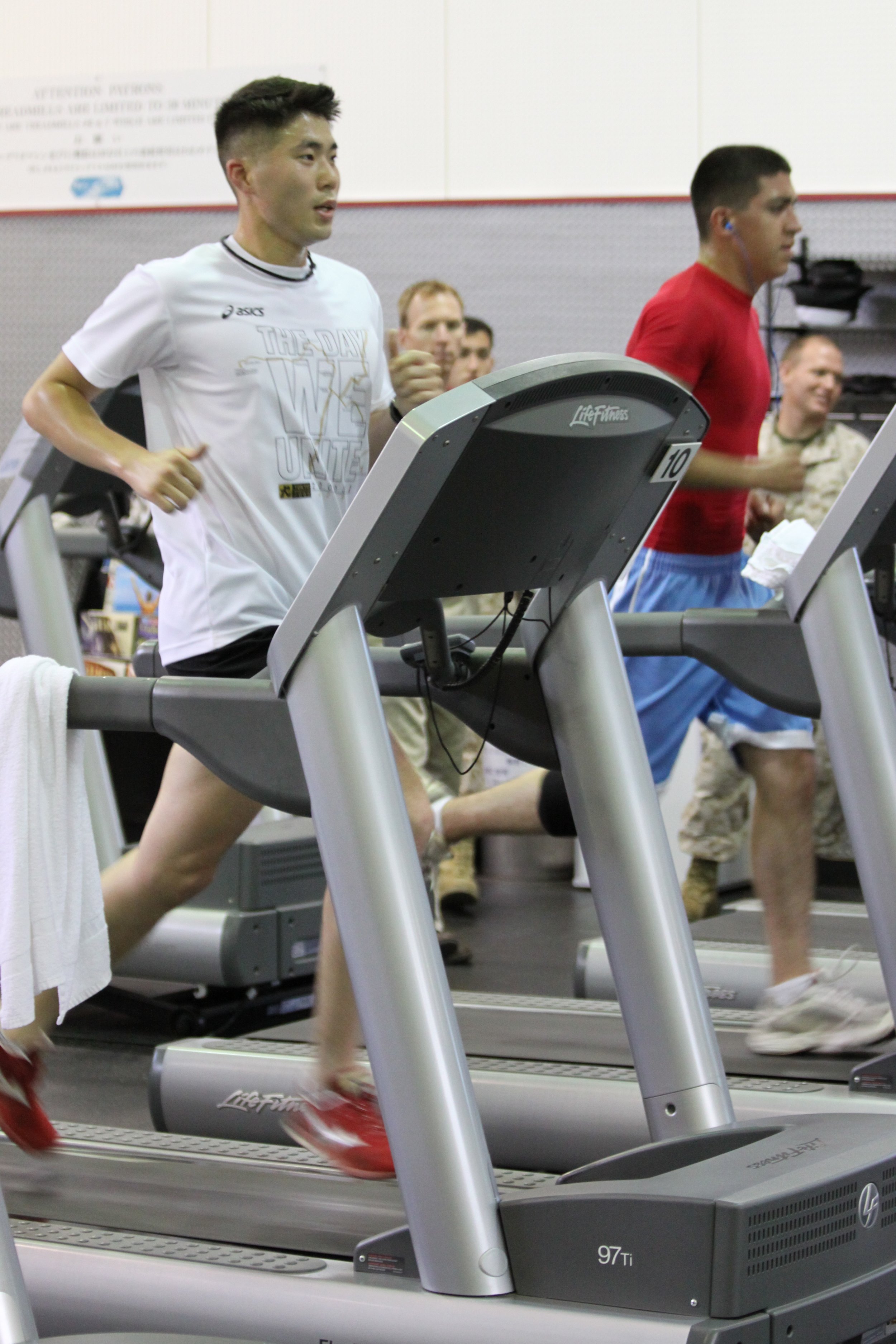
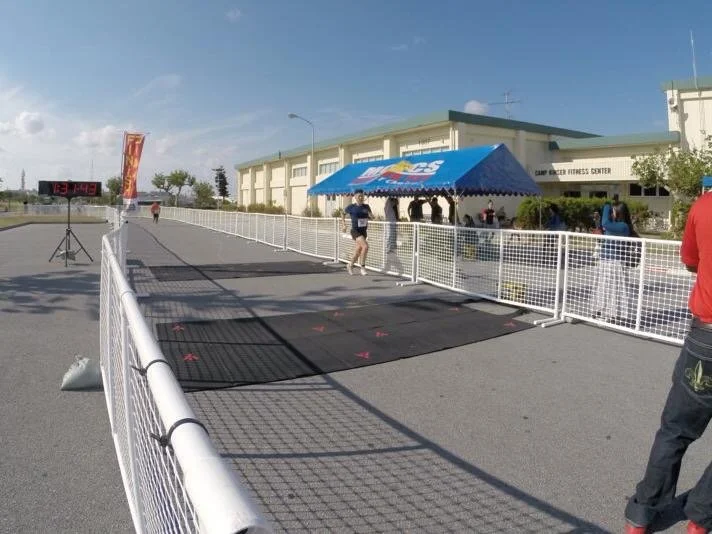
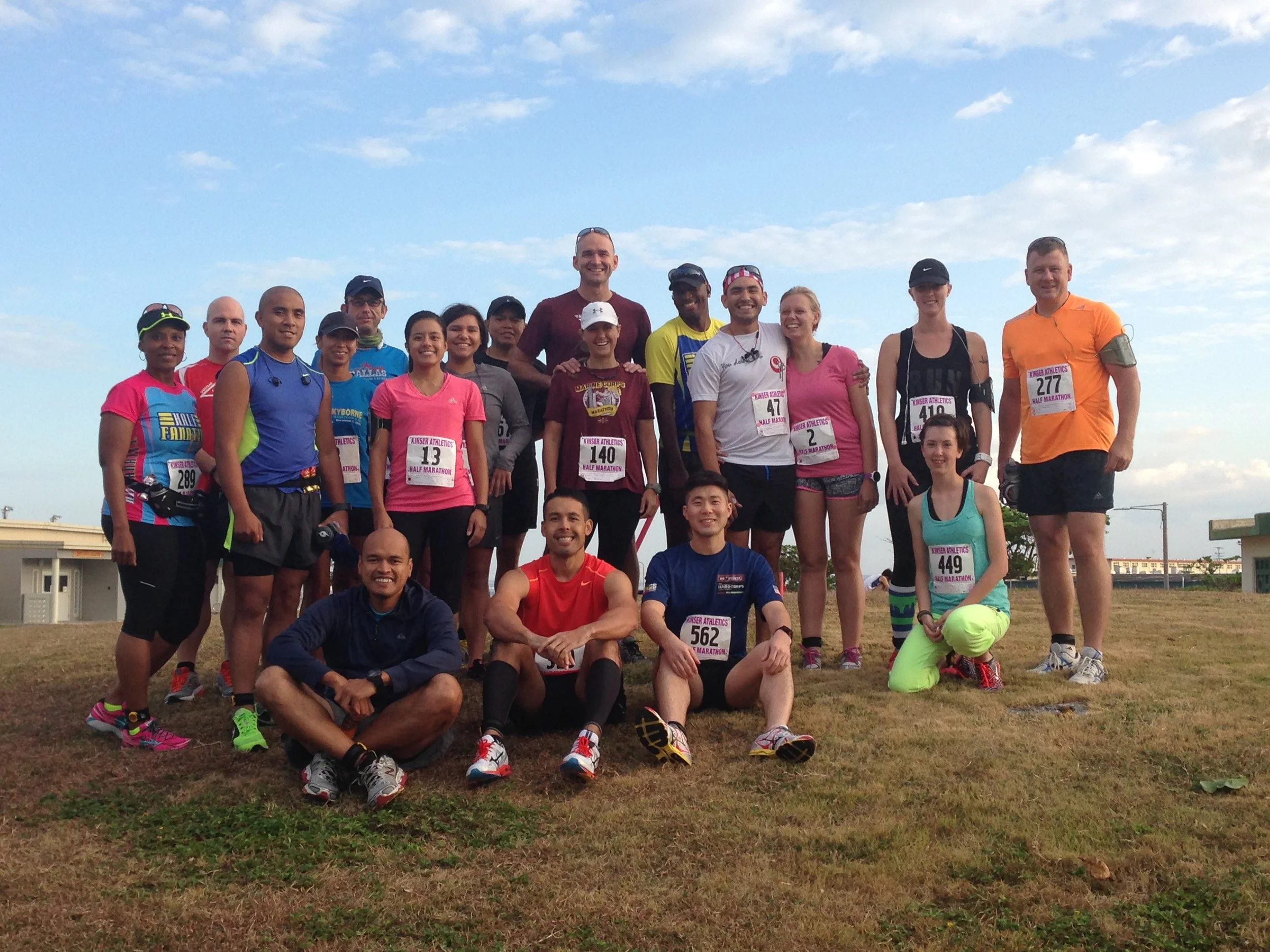
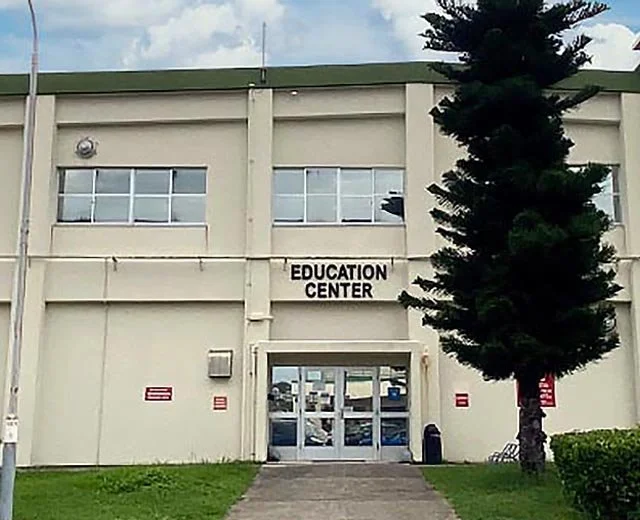
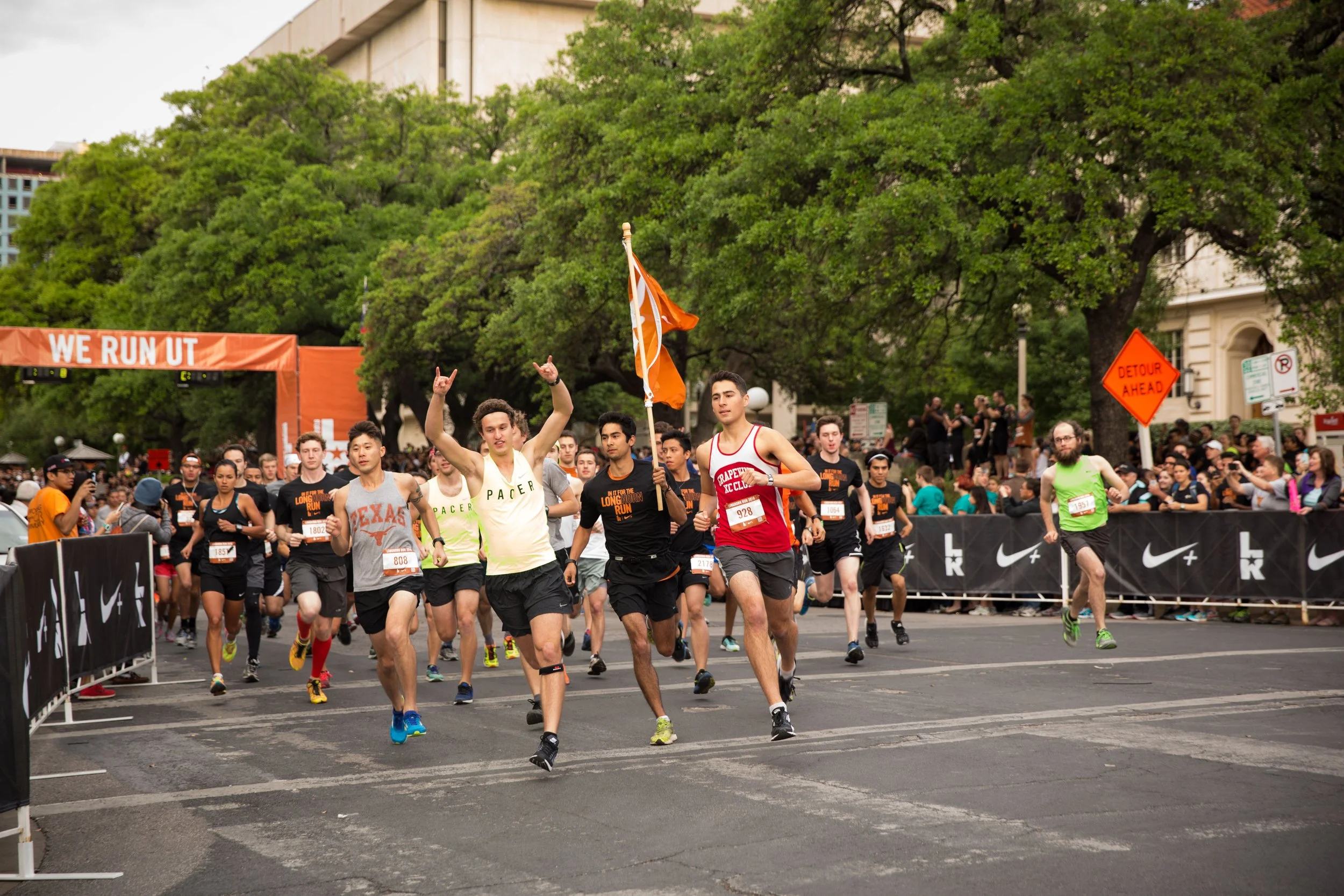
There were running races organized by Marine Corps Community Services in Iwakuni. Small 5Ks on Saturday mornings, half marathons that opened to local nationals, weekend MWR events that felt routine at the time, nothing special, just something to do.
There were college courses on base through University of Maryland University College Asia, facilitated by base education services. Credits that would transfer, momentum that carried forward.
At the time, none of this felt like preparation for anything (well, actually, taking college courses was so I can transfer to a four-year, but hope you get the idea). It felt like living. But all of it was made possible by MCCS and MWR infrastructure.
What Are These Programs Really Doing?
Marine Corps Community Services. Morale, Welfare, and Recreation. Navy MWR. Army MWR. Air Force Services. Every branch has them, dating back to the 1940s in their modern form. Their stated purpose is morale, retention, and quality of life. They exist to support readiness.
But they're doing something else too. When viewed longitudinally - and by that I mean over the course of years, not months - they're building capital that matters most after you leave. When a service member runs a base marathon organized by MWR or takes college courses through base education services, they're building identity, competence, and social capital that will carry them through transition.
The question is whether anyone sees it that way, whether anyone uses it intentionally, or whether it just happens, almost by accident, to those who participate.
What Gets Built
Running became portable for me. MWR and MCCS made races available. It started on base, then off base, then in local races with Japanese participants. It became something that existed outside rank, outside my MOS, outside evaluation cycles.
What I didn't realize at the time was that races open to local nationals were doing something specific. They were creating what researchers call "bridging social capital" - connections across different cultural and social groups. This is distinct from "bonding social capital," the strong ties within your unit or fellow service members. Research shows that bridging capital is what predicts employment outcomes, because weak ties across groups carry novel job information and opportunities that your close friends don't have access to.
Overseas, when MWR programs deliberately included host-nation participation - races with Japanese runners, sports leagues with locals - they created something rare: structured, repeating opportunities to build bridging social capital across cultural boundaries. This wasn't just cultural enrichment. It was practice in civilian navigation, norm-reading, and community entry that would matter after separation.
After I left the military, I kept running, and through running I built friendships with people who had nothing to do with the armed forces. Some of those relationships supported me during transition years and still do. That didn't come from a TAP classroom. It came from a race bib that MCCS made available on a Saturday morning.
Taking college courses on base through education services is easy to label as preparation. Degrees are legible, credits are measurable. But what about everything else that MWR and MCCS made possible? The hobbies that became community, the cross-cultural experiences that expanded perspective, the friendships that carried into civilian life.
When Does Transition Actually Begin?
If education, social capital, and cultural fluency are predictors of post-service outcomes - and the research suggests they are - they're not built in a five-day TAP workshop. They're accumulated over years through everyday participation in institutional life.
When I left the military, I did not feel like I was stepping into a completely foreign world. I already had a civilian hobby, civilian friendships, experience crossing cultural boundaries, exposure to formal professional environments, and academic progress underway. All of that started while I was still in uniform, not in a transition classroom, but in everyday life.
So here's the question. If transition support isn't just about workshops at the end, if it's about accumulating forms of capital over time, then when does it actually begin? The day you sign the contract? Your first duty station? The first time you do something on base that has nothing to do with your job?
Are We Mislabeling the System?
The infrastructure we call "quality of life" is also latent transition infrastructure. Hidden but present. Existing but not recognized for what it is.
Volunteer events build social capital. Overseas assignments build global competence. On-base education builds economic mobility. Races and hobby clubs and cross-cultural gatherings are not just morale programs. They're identity formation that remains after the uniform comes off.
So why do we only talk about transition at the point of exit? Why do we treat it as something that happens to you rather than something you've been doing all along?
Maybe because that's how the institution sees it. Exit-focused, separation-focused. The military's job is readiness, retention, mission accomplishment. Transition is something else, something after. It belongs to the VA or to nonprofits or to the service member themselves.
But if MCCS and MWR are already doing transition work - unintentionally, latently - what would happen if we made it intentional? What if service members understood that participating in these programs wasn't just about morale, but about building a life that extends beyond service?
Who Benefits and Who Doesn't
I watched others get scuba certified at discounted rates through MWR. I saw people compete in dragon boat races. I suspect some worked off-duty hours DJing or setting up booths at events, coach youth sports, perform music. Many arrived in Japan with talents and interests that had nothing to do with their MOS. MWR and MCCS gave them a place to activate those identities.
Not everything needs to be career-oriented to shape a career. Sometimes it's about building dimensions of yourself that remain after the uniform comes off. Dimensions that are yours, not the military's. Research on what sociologists call "serious leisure" shows that these pursuits aren't just recreation. They're characterized by perseverance, skill development, and what researchers describe as a "leisure career" that progresses from beginner to expert. Critically, serious leisure can transform into what researchers call "devotee work," earning a livelihood from what began as a hobby.
But not all participation is equal. The research shows that creator roles (coaching, teaching, performing, organizing, producing) generate stronger transition capital than consumer roles. It's the difference between attending concerts versus DJing them, taking photos versus teaching photography. Creator roles build portfolios, credentials, reputations, and what researchers call "bridging social capital," connections across different groups that carry job information and opportunities.
Think about how this works in civilian education. College students don't just study design or technology. They create portfolios: GitHub repositories full of code, design projects they can show employers, class projects that demonstrate skill. They build tangible evidence of what they can do. MWR and MCCS creator roles work the same way. A portfolio of event photos you've taken. A track record of races you've organized. A coaching certification and testimonials from parents. Audio mixes you've produced for base events. These aren't just hobbies. They're evidence of skills that employers and clients recognize.
That running club or photography hobby isn't just stress relief. It's identity construction that persists. Studies show these activities facilitate identity formation through sense of meaning and belonging, helping people discover previously unknown talents and construct new narratives about who they are.
This is why transition can't start a few months before separation. Becoming a runner, a photographer, a coach, these aren't skills you acquire in a workshop. They're embodied competencies built through years of practice. Sociologists call this habitus, the naturalized dispositions and cultural fluency that make you "a runner" rather than someone who runs. You can't download that in TAP. It requires what social theorists call praxis, repeated practice over time until it becomes second nature.
But if this infrastructure has been there all along, what determines whether someone benefits from it? Access? Awareness? Rank, resources, time, disposition? Command climate that encourages or discourages participation?
I think about the folks I knew who never used any of it, who went to work and went home, and that was it. Were they less prepared for transition? Did they struggle more? Research on veterans specifically suggests they might have. Studies show that 25 to 56 percent of veterans face psychological health challenges with no treatment plan, that social isolation is a major reintegration challenge, and that veterans with strong social support networks built through leisure and volunteer activities have better transition outcomes and lower service utilization for mental health issues.
If MWR and MCCS are de facto transition infrastructure, but participation is uneven, then transition outcomes will be uneven too. Not because of TAP. Because of everything that came before TAP.
What This Means
Overseas base life in Japan felt dense. The wall between on base and off base was real - language barriers, cultural barriers, the physical gate with ID checks. But so was the opportunity. Races on base led to races off base, college courses built momentum.
I didn't call it transition preparation. I called it living. But in hindsight, those experiences shaped my post-military life more than any formal workshop ever could, more than the resume help, more than the LinkedIn training, more than all of it.
Does that mean TAP is useless? No, not exactly. But it means TAP isn't enough. If transition is really about building a life outside the military, then it can't start five months before separation. It has to start earlier, and it has to involve more than job search skills.
It has to involve identity, community, competence, confidence. All the things that MWR and MCCS were building without anyone calling it transition support.
What I'd Tell Someone Still Serving
Life after military isn't just about getting a job. It's everything. What you do for fun, the enrichment, it's you outside of uniform, outside of the corporate attire, outside of the LinkedIn headshot. The experiences you get on or off duty have to carry over. They have to matter beyond the moment. The question is whether you're building something or just passing time.
Pursue what gives you joy. Not because it looks good on a resume, not because it's career-oriented, but because interests and passions become who you are when the structure falls away. When there's no formation to stand in, no rank to wear, no mission to complete - what's left? Whatever you built for yourself.
Use MWR, use MCCS, use whatever resources exist where you are. Take the photography class, join the running club, get scuba certified, play in the band, coach the youth sports team, volunteer off base. Do it in uniform and out of uniform, do it on base and off base, do it in the communities you find yourself in.
I'm asking service members to actively engage in these activities with awareness that they will become treasures in real terms post service. Build something while you're still in. Don't wait until you're out to figure out who you are beyond the rank and the job.
Because once you're out, that question becomes urgent. Who am I when I'm not this? And if you don't have an answer, transition gets harder.
What I'd Tell Veterans in Transition
Reflect back on these moments, these pursuits. What did you do that wasn't dictated by your MOS? What brought you joy? What connected you to people outside your unit? What did you keep doing even when no one was watching? Those are the threads.
Too bad if the only memory you have is getting drunk with your fellow Sailors, soldiers, Airmen, or Marines. That's not nothing, but it's not enough to build a life on. The running, the photography, the coaching, the volunteering, the cross-cultural friendships, the hobbies that became communities - those are what carry forward.
If you're struggling to figure out who you are outside the uniform, start there. Not with what you did for the military, but with what you did for yourself while you were in.
And if you didn't do anything for yourself? If you never used MWR, never joined a club, never pursued interests outside your job? Then maybe that's part of why transition feels so hard. You're starting from scratch on identity formation that should have been happening all along.
If you spent your entire service being only your job, only your rank, only your unit, then leaving means losing everything. But if you built something else alongside all that - hobbies, interests, communities, passions - then leaving means losing some things but keeping others.
That's the difference.
What Might Be Hiding in Plain Sight
My hunch is that MCCS and MWR, especially overseas, are at the very heart of this. They might be a serious mechanism of cultural and human capital accumulation hiding in plain sight. Not just morale programs, not just retention tools, but infrastructure that shapes who people become after they leave.
The research backs this up. Studies on veterans show that the social capital built through leisure activities isn't just emotional support. It's what researchers call instrumental social capital, actionable connections to opportunities, information, and networks that matter in practical terms. Veterans with this kind of social capital show better well-being and lower service utilization. The hobbies aren't just stress relief. They're serious leisure that can become careers or communities or both.
Overseas bases amplify this dynamic in specific ways. When language barriers, transportation challenges, and cultural unfamiliarity create friction, base-provided programs often become the primary entry point to structured leisure. This increases what researchers call participation density, more people using the same programs, creating repeated contact, which is exactly what builds social capital. The counter-risk is insulation: if all leisure stays within the gate, bridging to civilian networks remains weak. But when programs deliberately cross boundaries (races open to locals, shared sports events, community volunteering) they create rare, structured opportunities to practice boundary crossing and build bridging capital that extends beyond the military community.
If that's true, we've been mislabeling it this whole time. Quality of life isn't separate from transition preparation. It is transition preparation. The boundary between the two is artificial, institutional, not real.
MWR and MCCS could be even more powerful if they were intentional about creating pathways from consumer to creator. Not just offering sanshin concerts in Okinawa, but sanshin classes. Not just hosting photography exhibits, but running photography cohorts with portfolio reviews. Not just screening films, but teaching video production. Not just hosting game nights, but running Magic: The Gathering tournaments with organized play structures that teach event management. These creator roles build portfolios, credentials, and reputations that translate directly to civilian opportunities. They create what the research calls "devotee work" pathways, the trajectory from hobby to semi-professional to professional work.
And if we see it differently, maybe service members start using it differently. With intention. With awareness that what they build today becomes who they are tomorrow.
We just called it something else. We categorized it wrong. We put it in a box labeled "morale" when it belonged in a box labeled "life building" or "identity formation" or "capital accumulation" or something like that.
Labels matter. How we categorize things determines how we use them. If MWR and MCCS are just about fun and stress relief, then using them is optional, nice to have, extra. But if they're about building a life that extends beyond service, then using them becomes essential.
So this is what I have. A hunch that MCCS and MWR were doing more than we gave them credit for. A reflection on what actually helped versus what was supposed to help. A question about when transition really begins and what we should call the things that prepare us for it.
And maybe a challenge to those three things everyone keeps saying. That TAP is inadequate - yes, but inadequate compared to what? If we're measuring it against the wrong standard, against workforce prep instead of life building, then of course it falls short. That service members should start transition on day one - maybe, but not the way we usually mean it. Not with resume writing and LinkedIn profiles. With identity formation, with community building, with pursuing things that have nothing to do with your job. And that transition is really just career transition - no. It's everything. It's who you become when the structure falls away.