Between Two Worlds: A Veteran's Reflection on Serving Overseas
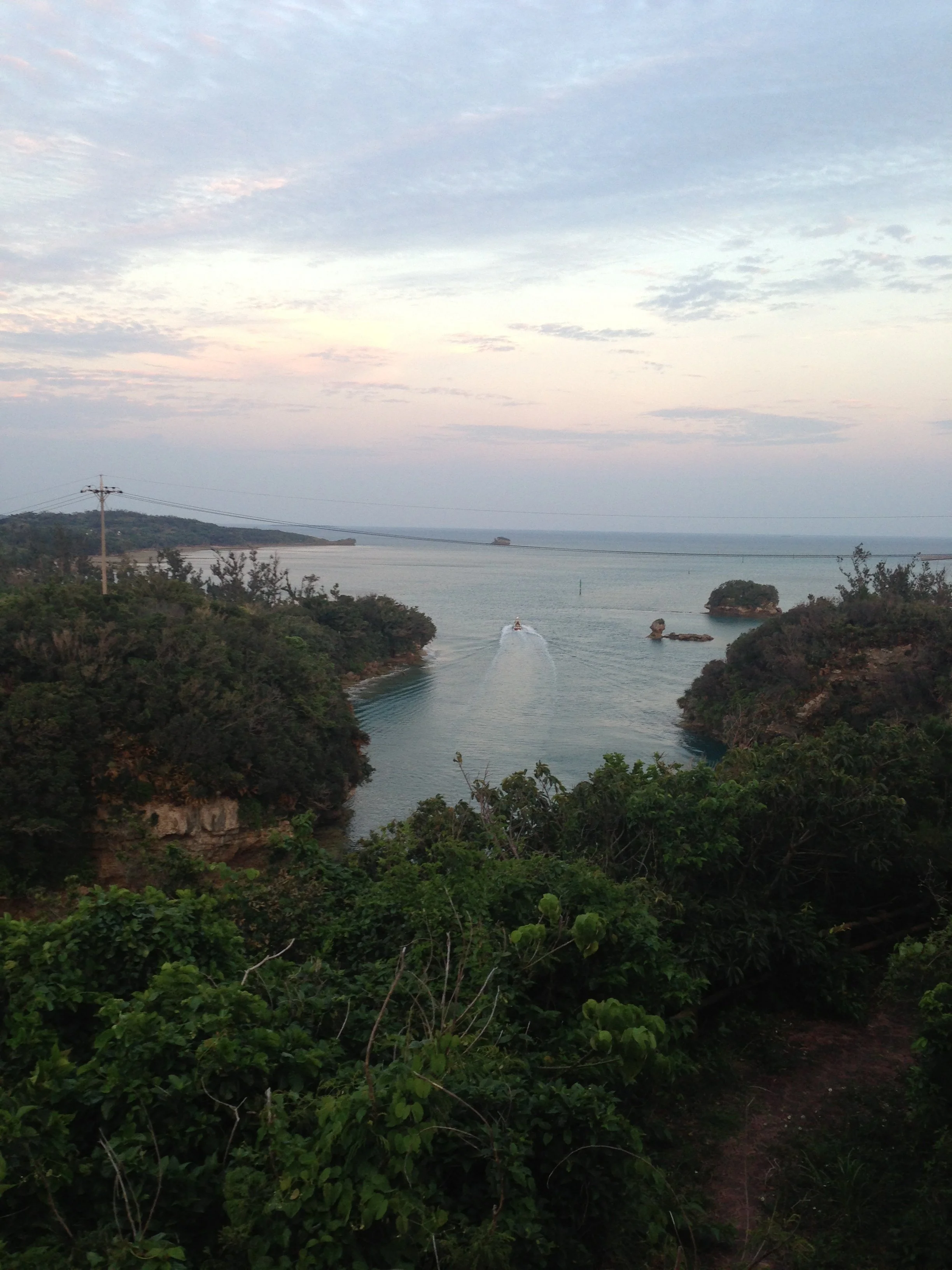
I joined the Navy to see the world. After two combat deployments to Iraq, I got my wish: orders to MCAS Iwakuni, Japan. It was 2007, and I was about to live out a childhood dream I'd carried for years. Between 2007 and 2010 at Iwakuni, and again in 2011 in Okinawa, Japan became more than just a duty station. It became a second home, a place where I'd meet my future wife, forge lasting friendships, and experience a depth of cultural immersion that many veterans talk about with longing years later.
Living the Dream
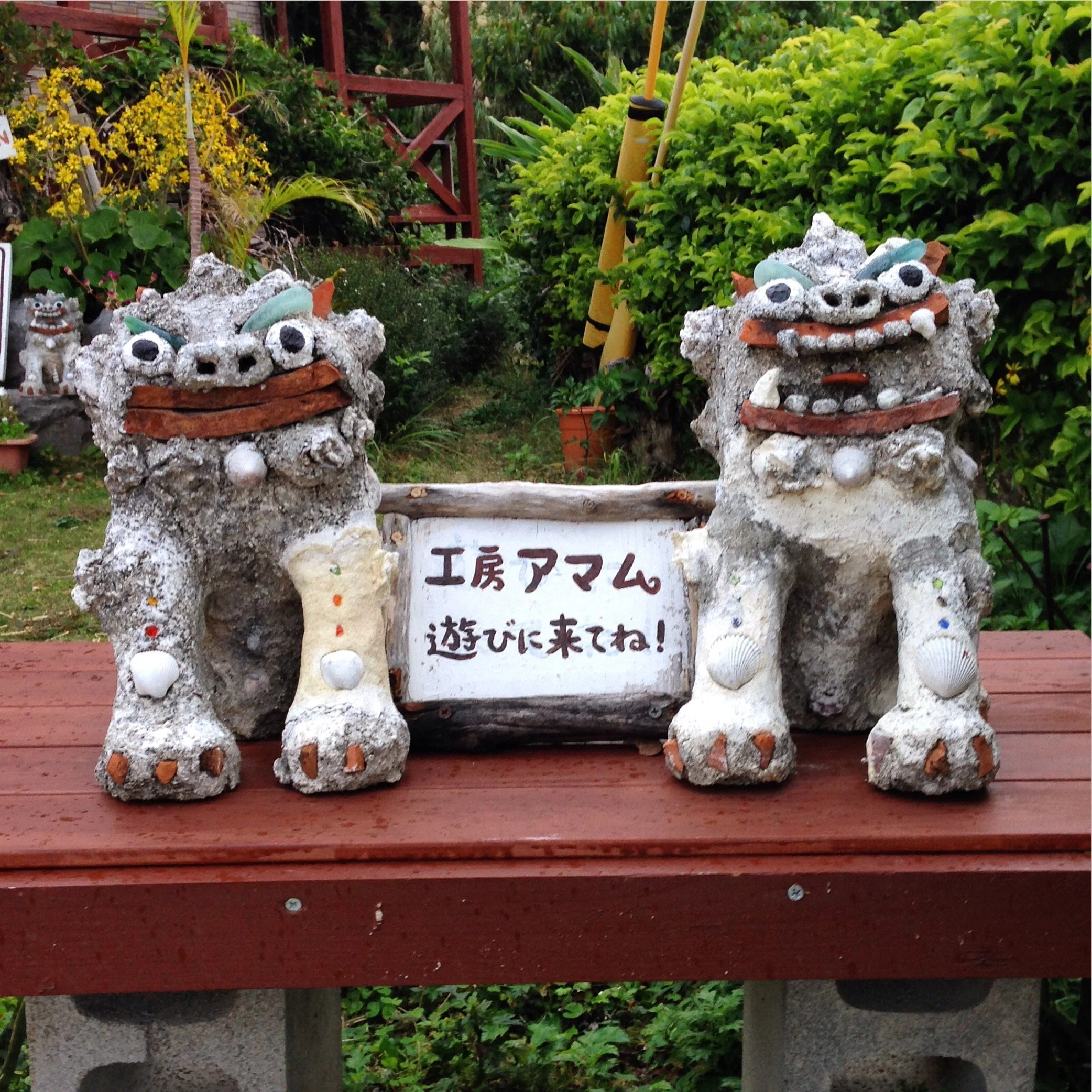
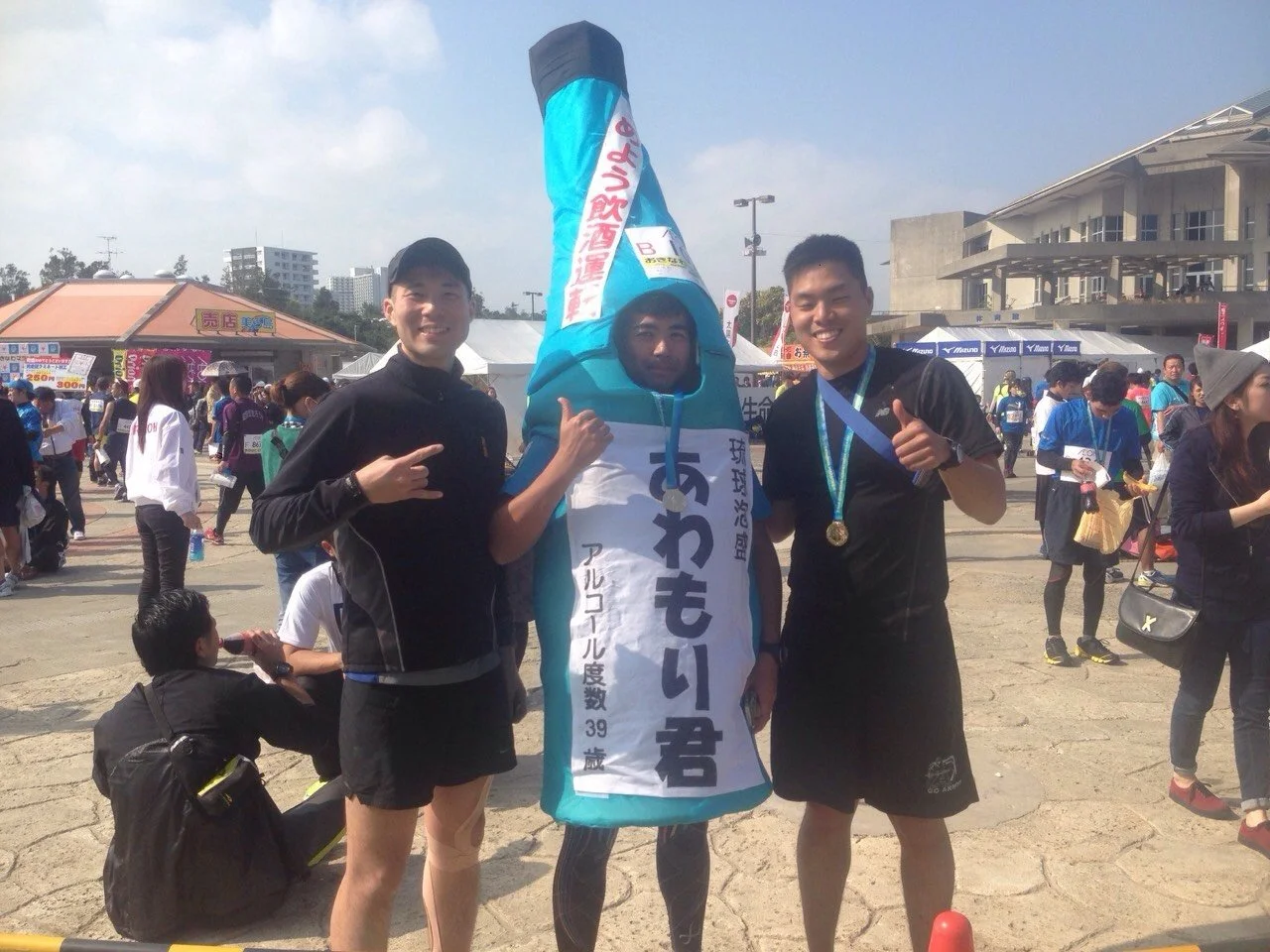
Japan gave me everything I'd hoped for and more. Without a car at Iwakuni, I learned to navigate the country by JR train and shinkansen, venturing west to Kyushu and northeast through the Kansai area to Tokyo. I slept in $25 a night capsule hotels and $250 luxurious onsen with traditional kaiseki meals. I ran local ekiden races as part of the Iwakuni base fire department team and competed in cross country races and half marathons alongside Japanese runners. One fall, I helped my friend's girlfriend's family with their rice harvest in Yamaguchi-ken, the kind of experience that stays with you forever.
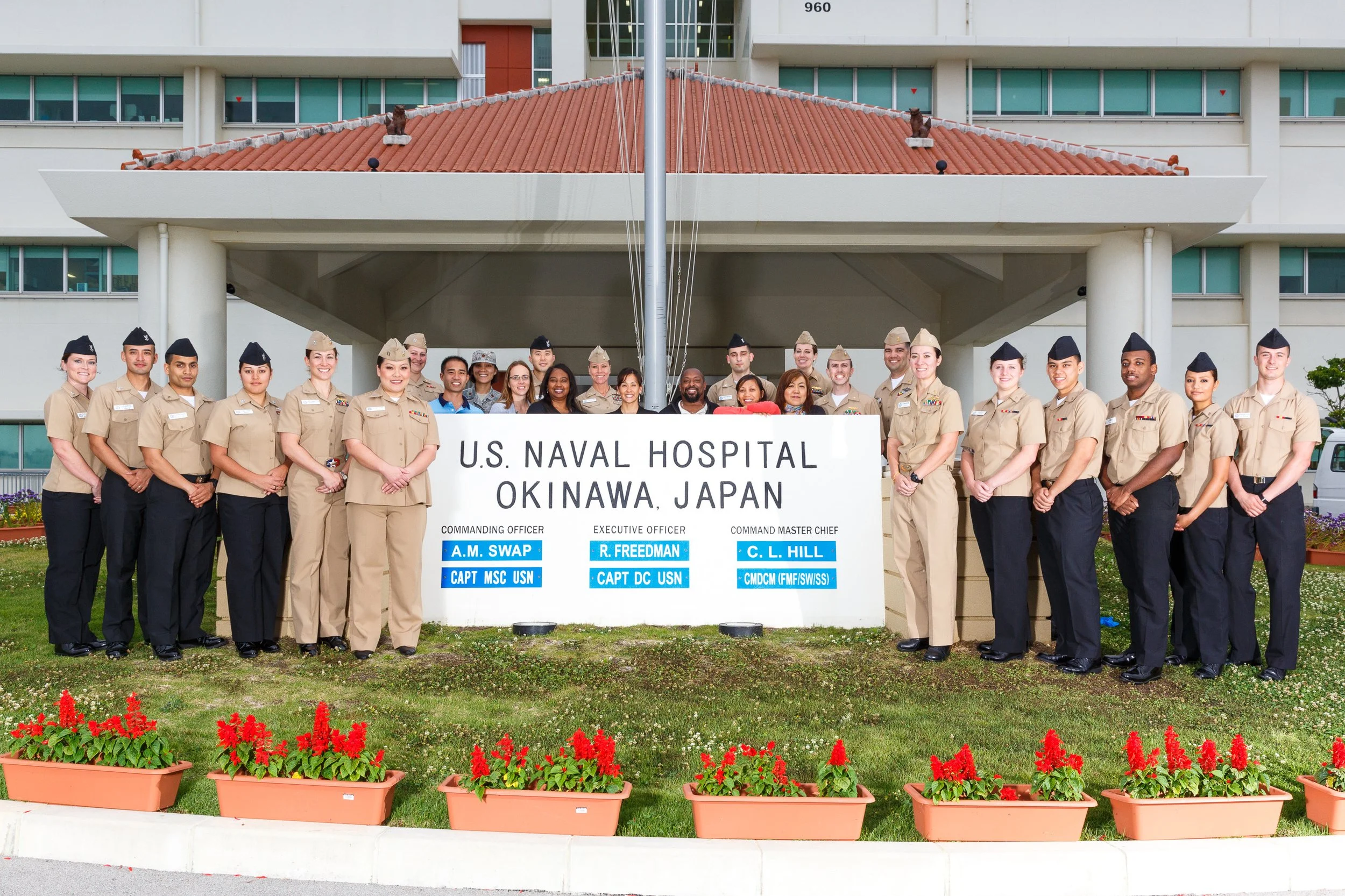
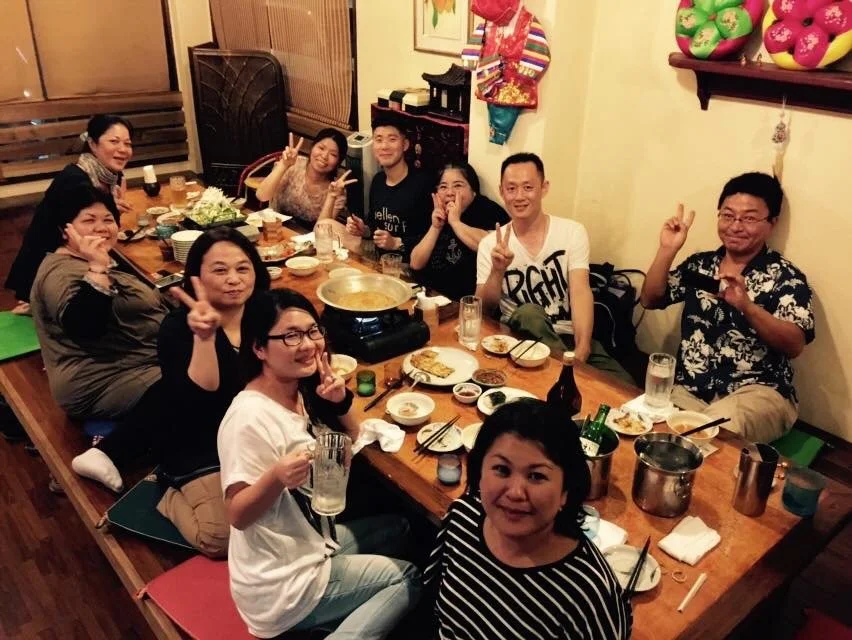
In Okinawa, as an E5 soon promoted to E6, I lived off base in nice apartments. I took sanshin lessons, stayed at resort hotels, and continued building relationships both on base and in the local community. My wife, whom I met in Japan, remains my connection to that life. We're planning to move back to Okinawa. I still keep in touch with friends from those years. When veterans talk about missing their host country, I understand that feeling completely.
The Hidden Costs
But there were costs I didn't fully appreciate at the time. During my years at Iwakuni and Okinawa, I took classes through University of Maryland University College (UMUC) Asia (both in-person on base and online) working through general education requirements to eventually transfer to a four-year institution. I was frustrated by the limited options. My goal was medical school, but I couldn't take pre-med courses or labs overseas. Moonlighting opportunities, common among Navy cardiovascular technicians stateside, simply didn't exist for me in Japan.
My educational and career path would have looked very different if I'd been stationed in the US during those years, both financially and in terms of opportunities. It's a trade-off I accepted, but it shaped my trajectory in ways I'm still measuring.
The Other Side of Overseas Service
I know my experience wasn't universal. There were plenty of folks, especially first-termers, who felt trapped on base in Okinawa. I heard people call it "the rock," as if all that existed beyond the gate were bars, tough training schedules, and frequent deployments. Not everyone joins the military for foreign service, and not everyone has the resources, rank, or circumstances that allow them to truly engage with the host country's culture.
I also witnessed the darker realities of military life overseas. At the Navy clinic on MCAS Iwakuni, I saw frequent incidents involving suicide attempts and military sexual assaults. I stood 24-hour suicide watch for one of my fellow sailors. These experiences remind me that overseas service exists on a spectrum, from profoundly enriching to deeply isolating, often with little middle ground.
A Perfect Storm for Trouble?
Looking back, I wonder about the structural factors that make overseas assignments so variable in their outcomes. Consider the circumstances: younger service members on unaccompanied orders, limited financial resources to explore beyond the base, strict SOFA restrictions that create tension with locals, a geographically diverse but culturally siloed military population that doesn't always know how to engage with foreign cultures, and demanding operational tempos that leave little time for cultural exploration.
It sounds like a recipe for trouble, and sometimes it is. The likelihood of disciplinary actions, the isolation, the disconnect from stateside support networks—all of these factors can compound the challenges that service members already face.
The Triple Transition
What interests me most now, years later, is how overseas service affects veteran transition. I think those of us who served extensively overseas face what I'd call a triple transition: from military to civilian life, from overseas to stateside, and from a bicultural existence back into purely American cultural norms.
When I first returned to the US, I had forgotten how to tip. Many things felt foreign, ironic given I was home. These habits returned over time, and I think the immediate effects were temporary. But I wonder about the lasting impacts.
Veterans who served overseas return without the stateside professional networks others built during the same years. We have less institutional knowledge about how civilian job markets work regionally. We've experienced an identity shift that doesn't fit neatly into standard veteran or civilian categories, especially for those of us who deeply engaged with our host countries. For someone like me, who embraced Japan so fully that I'm planning to return permanently, the transition back to the US felt less like homecoming and more like displacement.
The Question of Preparation
This raises a question I still grapple with: Could the military do more to help service members actually engage with host countries and prepare for the unique reintegration challenges we face? Or is the current reality—where outcomes depend largely on individual initiative, rank, financial resources, and luck—simply an inherent feature of the structure?
I don't have easy answers. I'm grateful for my time in Japan. It gave me loving marriage, lifelong friendships, and experiences that shaped who I am today. But I also recognize that my story represents one end of a very wide spectrum of overseas service experiences. For every veteran like me who looks back with fondness and plans to return, there's another who felt trapped, isolated, or unable to access the opportunities that might have been available stateside.
As we think about supporting veterans in transition, perhaps we need to pay more attention to this overseas service variable: how it shapes not just our time in uniform, but our ability to reintegrate into civilian life afterward. The richness of cross-cultural experience can be an asset in civilian life, but only if we're given the tools to articulate and leverage it. The networks we didn't build stateside can become gaps we struggle to fill. The cultural fluency we gained abroad can initially feel like awkwardness at home.
For those of us who served overseas, the journey from military to civilian life includes an extra layer of complexity, one that's worth understanding, discussing, and perhaps addressing more deliberately in transition programs and veteran support services.